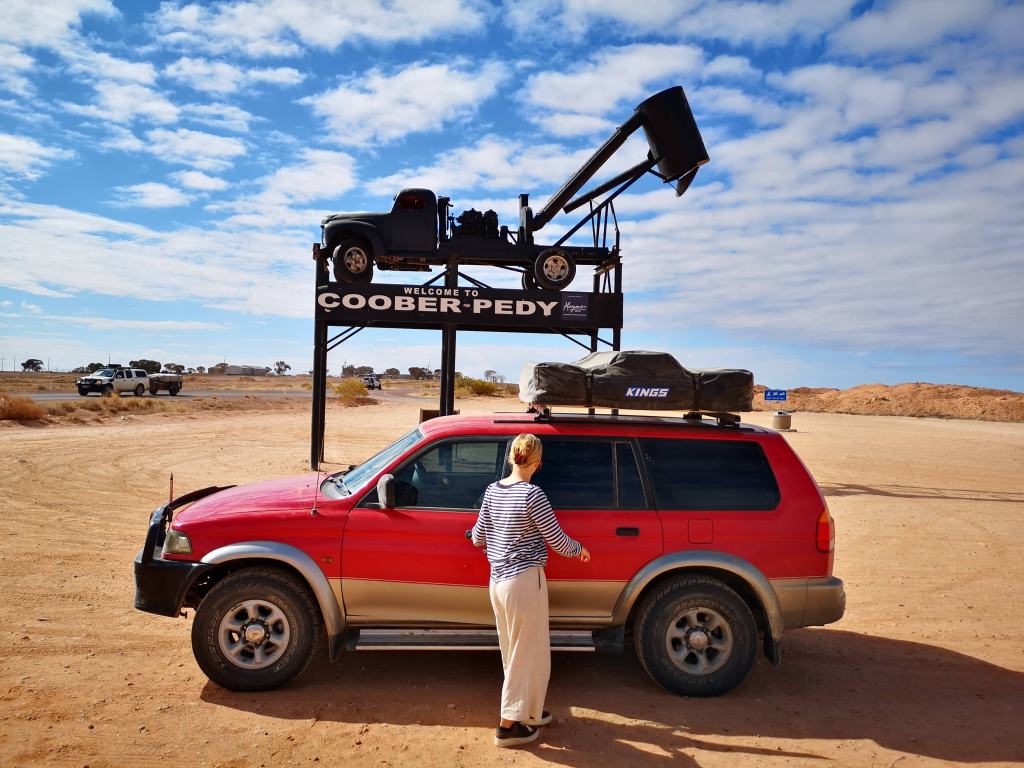
If you’re a backpacker and you’re buying a car, I suggest you ask yourselves these questions in order to help your self decide on what you want. If you know what you want, it might be a bit easier to search for it and finally find it.
- Should I consider renting a car, taking the greyhound or ridesharing?
- Which type of car is suitable for me?
- What is my budget?
- Do I want a rooftop tent, an inbuilt bed or a tent?
- Do I want a car that’s “ready to go” or do I want to equip it myself?
- In which state am I buying my car and where am I selling it?
- How do I check if I am buying a good car?
Should I consider renting a car, taking the greyhound or ridesharing?
First of all, you should consider your reason for buying a car.
Are you looking for farmwork? Then YES, buy a car! Are you looking for freedom to travel where ever and whenever you want for longer than three months? Then YES, buy a car!
Are you just in Australia on a holiday visa or do you just want to travel for a few months? Then you could consider renting a car. It might seem expensive, but so is buying a car and selling it crazy underpriced, because you don’t have time enough to sell it.
Are you looking to meet new people and stay in hostels in the start of your stay? Then you could consider looking online for rideshares and talking to other backpackers with cars. There might be people with spare seats going to exactly the same spots that you wish to go to.
Are you planning to visit only the popular attractions and cities, that everyone goes to? Then you could look into going on a Greyhound. They take you to all the cities you want to go to on the east and west coast and you can jump on and off when you want to.
If you’re only in Australia for a few months spending time both on buying a car and also selling it can take up a lot of your time = less time to travel. I think the reason why many backpackers end up selling their car very underpriced and losing a lot of money is because they don’t have enough time to sell their car. Since we haven’t sold our car yet, I can’t tell you how long it takes. But I can tell you, that we are expecting to need over 1 month to sell the car. This is based on the amount of times over several weeks that I have seen the same cars reposted on Facebook and also just considering how I myself were as a buyer. I did not buy the first car that I saw. And the other people test driving the cars before I did, apparently didn’t neither.
So my conclusion is, it might seem expensive to rent a car, but in the end, you might end up losing more money on the car you bought, because you had to mark down the price. Or it might not be worth losing the time, you could have spend on travelling.
Which type of car is suitable for me?
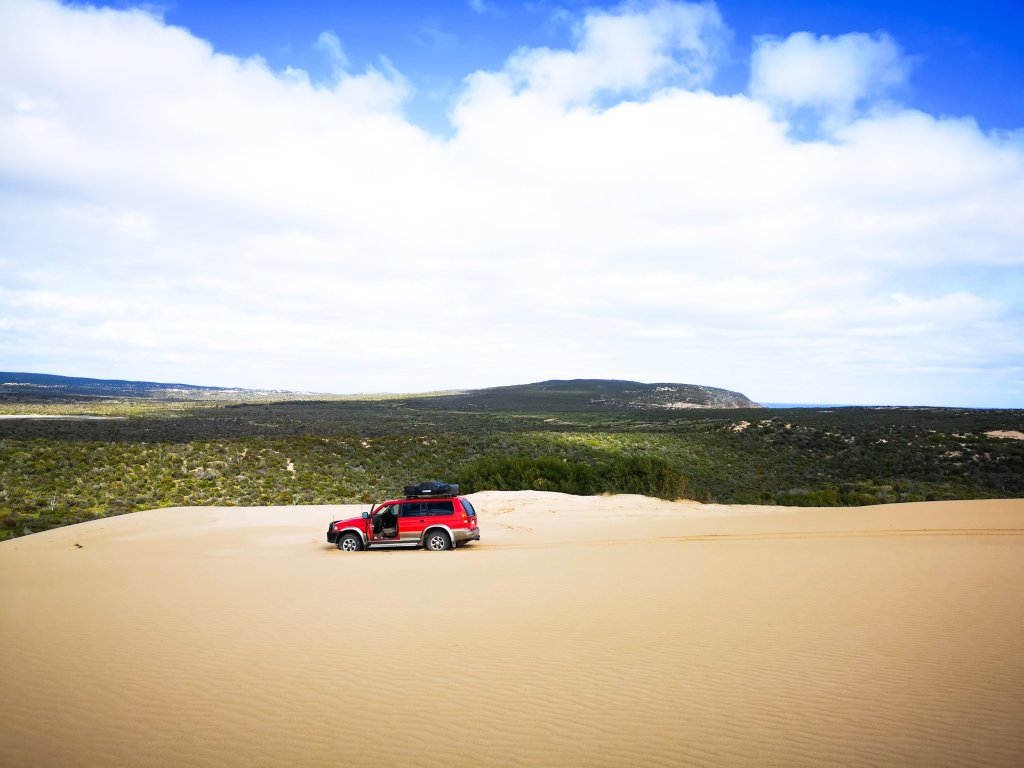
If you’ve decided that you want your own car. Then find out where you’re going to be taking you’re car. If you are travelling the east coast, you are probably going to be driving sealed roads most of the time, which means you might not need a 4WD. A campervan is a good choice if you’re not aiming for driving on harsh roads, sand, mud, gravel and rocks. If you are up for an outback adventure, maybe you’re going to WA and you’re gonna drive through deserts, sanddunes and complicated nationalparks, then a 4WD could be the best choice for you.
What is my budget?
If you stumble across desperate backpackers with a great car but in a hurry to leave, you’re lucky! You might see awesome cars priced at around $2000, which is crazily underpriced, because the owners visa is about to run out or plans have drastically changed. The car is likely to be a lot more worth.
By this, I am trying to tell you, that you should not expect to be lucky and only pay $2000 for your car. It’s worth investing money in a car that is in a great condition and also has all the gear that you need.
You do have to respect the fact that some backpackers (like ourselves) have put a lot of money into the car (I am not talking about repairs here) but about all tthe brand new stuff like a rooftop tent, camping equipment, roof racks etc, that we’ve bought. When I came to Melbourne my budget was around $6000, which I thought was a lot. But I quickly realized that I was being way to greedy. If I wanted a well equipped and good car, I did have to pay around $7-8000. My greediness ended up in us buying a car from a car-dealer, which we then had to fully equip ourselves and boy was that a hassle!
Do consider the fact that no matter which car you buy, you have to buy A LOT of fuel to travel around and your car will need to go to a mechanic and you should buy an insurance as well. There are a lot of extra side costs to having your own car compared to renting, ridesharing or being on a bus.
Do I want a rooftop tent, an inbuilt bed or a tent? (This does not apply for campervans)
There are pros and cons to all three.
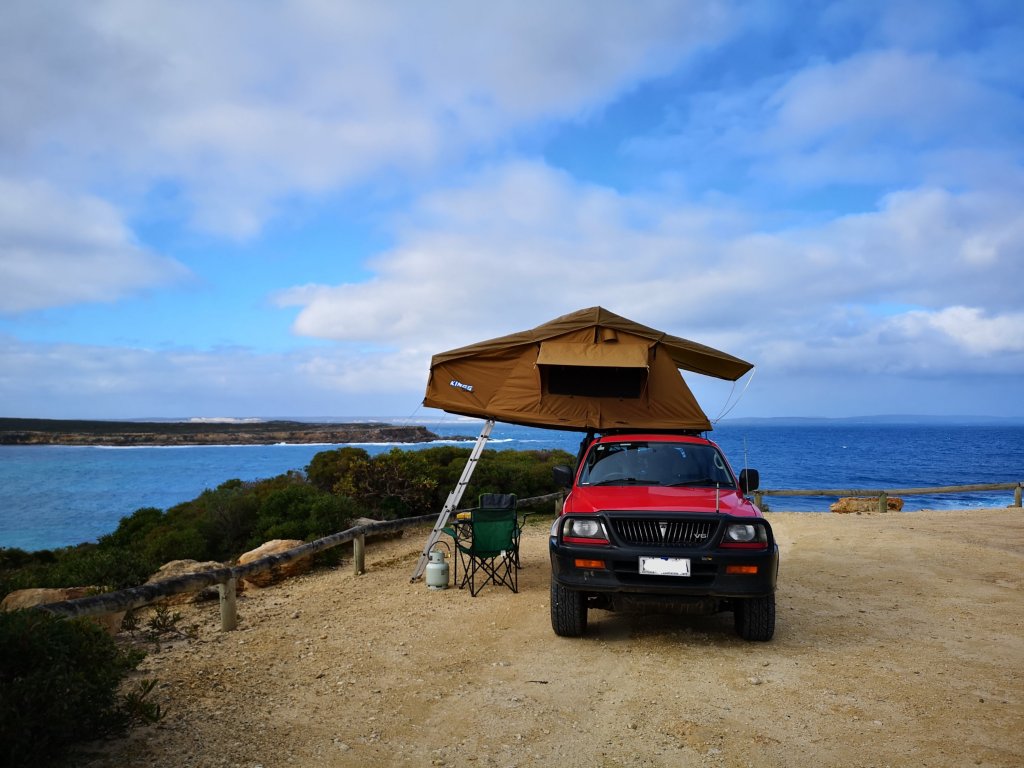
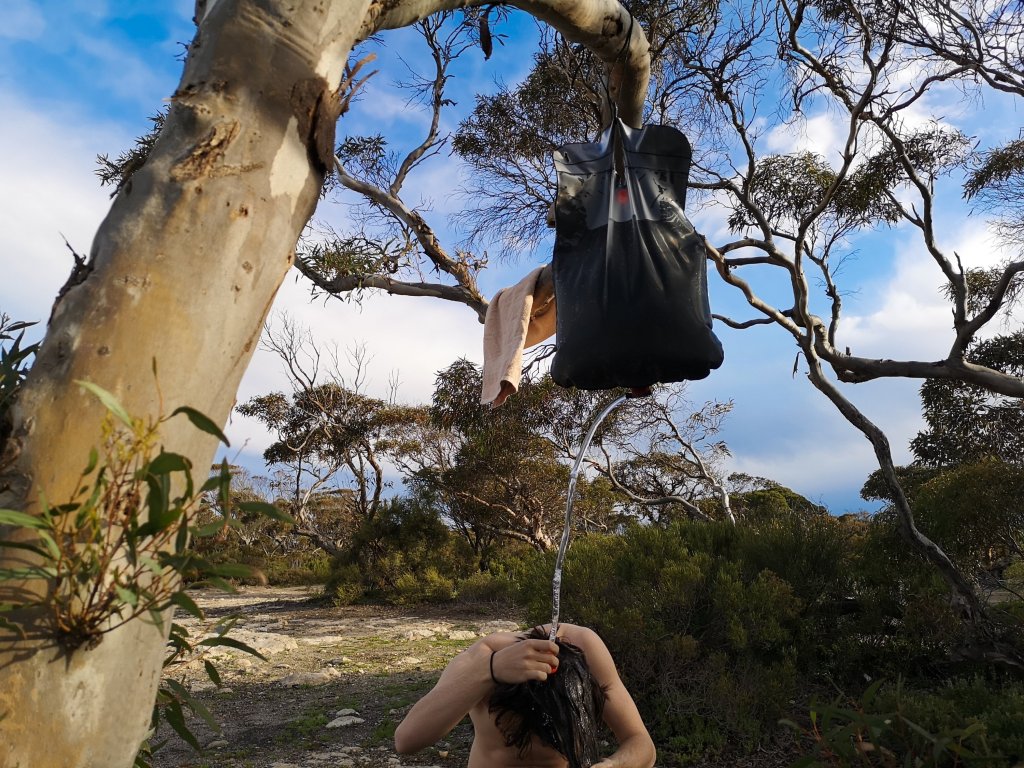
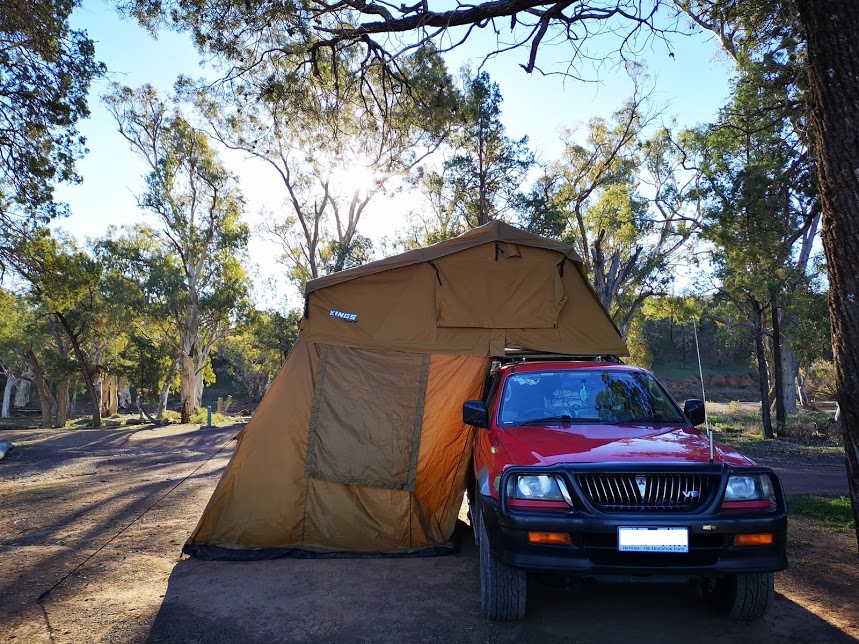
A rooftop tent is very easy to set up and pack down. It only takes space on top of your roof, which means you can use the interior space of your car for the rest of your shit. The downside of a rooftoptent is that you can’t just camp anywhere (where it is illegal). If camping is not allowed, you can’t put up your rooftop tent, because its pretty dang obvious, that you’re sleeping in there. But anywhere else – go for it!
An inbuilt bed is really cool if you’re sleeping in places, where you feel a bit unsafe or places where you’re not allowed to camp. No one will be able to see, that you’re sleeping in there, if you have curtains. On the other hand, the bed takes up a lot of space in the back of your car and every time you wanna sleep, you have to move all of your shit to the frontseats.
A tent on ground is cool because you can leave it on the campground while you take your car and go exploring. If you have a rooftop tent you always have to pack that down, before you can leave. The bad thing about the tent on ground is that, you’re fucked, if it’s raining a lot: your tent might be flooded. Tents can also be quite a hassle to put up and pack down and it takes some space inside your car. It might not be as comfortable sleeping in a rooftop tent or inside your car, because your mattress is probably not as good (unless you invest in one aaand it doesn’t take up to much space either)
Do I want a car that’s “ready to go” or do I want to equip it myself?
If you are buying a backpacker-car, you’ll have a car that is FULLY equipped and ready to leave the next day (hopefully). Which is awesome! However, you can also choose to look at cars with car dealerships or private owners, which will be a lot cheaper for the car ONLY. If you do that you must be prepared to spend a lot of time and money on buying and installing all the equipment needed for camping. Don’t underestimate it! It’s a lot of time and money.
In which state am I buying my car and where am I selling it?
Alright, this part is very confusing. I am not sure I even get it myself a 100 %. BUT key point is, do you want to buy a car in Queensland? Then you should be selling it in Queensland. The same goes for all the other states except from Western Australia. WA is an exception because this state has the easiest way of transferring ownership of a vehicle from one to another: you do it by mail and no one has to meet up in an office in person.
For instance, Victoria requires the buyer to have a VicRoads customer number to be able to register the car in your name, which you can only get if you meet up in person at one of their offices in VIC. So you can’t sell your car in NT to a random backpacker, if they have never been in VIC and have a VicRoads customer number and you can’t buy it without a VIC roads client number either. It is kind of the same in the other states. Look at their websites for more specific information.
I guess you could sell your car to the person anyways and just have it registered in your name, until they make their way to Victoria and can get a customer number. But I wouldn’t risk having another person drive my car (because its still my car until the new owner arrives at the office) and causing damage to other people or their cars, if you don’t have an insurance that allows other people to drive the car.
BUT you can sell/buy your car in a state, which the car is not registered in a little easier, but with more expenses for the new owner. You could let the current registration run out and then the new owner has to make a new registration and get new plates in whichever state he/she wishes. The thing is just that a new plate can be a little expensive compared to just transferring the ownership of the current plate.
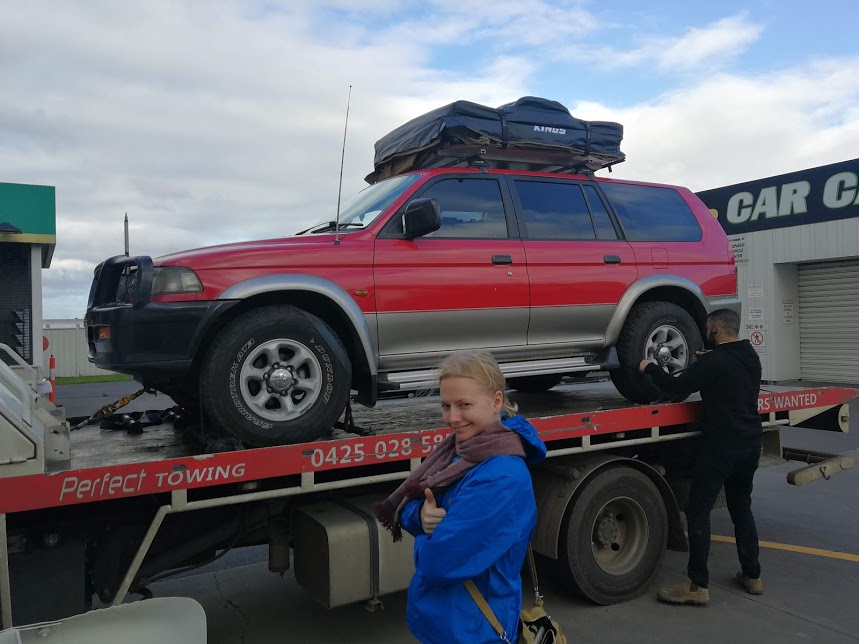
How do I check if I am buying a good car?
If you’re like us and you’ve never bought a car before or maybe you don’t really know much about cars, it can be really really hard to figure out, if you’re looking at a good car or not. First of all, take the car for a testdrive! See how you go and how it feels driving the car. Does it make any weird sounds or does it feel weird to drive it? Go with your gut and if it doesn’t feel good, then don’t buy it.
Before you buy the car, also make sure, you have a look at and go through the RWC (Road Worthy Certificate) and see what has been done to the car. A RWC is not required in all states before selling your car, so if you’re buying a car from eg. WA, definitely make sure a service has been done recently, so you know you’re not buying a car, which has to get a lot of things done within the first week of you driving the car.
If you’re not a mechanic, there are also a few things on the car, you can and should check yourself, before you go through with buying and these are:
1. Oil – check the dip stick and see how much oil is on and open the oil cap to see how the oil looks inside – it should be all black and shiny. It should not be white and look like mayonnaise.
2. Tyres – make sure there is enough tread on the tyres by using a coin.
3. Brakes – Have a feel on the brake disc. Do the scratches on there feel deep when you touch lightly? Then they might need to be changed.
4. Water level – Check if the water level is between minimum and maximum. If not, the engine is in risk of overheating.
5. Leaks – Check if you can see if the car is leaking from the engine, transmission or radiator.
6. Sounds – Listen for unusual squeaking, rattling, whining noises, when you take it for a test drive. Beware the 4wds do make a lot of noise from their engine (which is normal).
When you have checked all of this yourself and you’ve taken it for a drive and you’ve had a look at the service book and RWC, there is a good chance, you’ve got your hands on a good car. When that is said, you never know what can happen. Things can break within a minute without any mechanic having a chance to know that would happen, when they serviced the car. People can really screw you over – so be serious and thorough when you’re inspecting a car.
If you have any other tips or comments to what I’ve written here, please don’t hesitate. As I wrote earlier, this is only our experiences and opinions and they might be useful to you or they might not. I hope that you made at least a little use of this and can some how become more sure of you what you want and what you don’t want.
All the best of luck finding a car!
 Outbounds Travel
One Comment Add yours