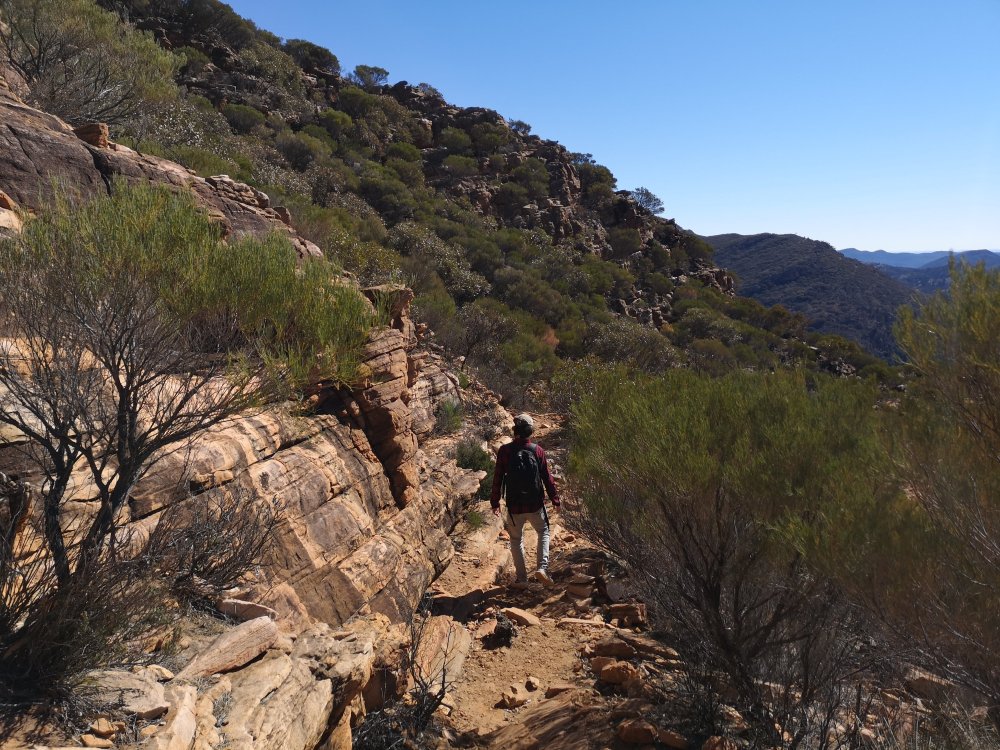
FREEDOM, the most important word for us when it comes to describing our way of travelling. To us, freedom means that we can go wherever we want, whenever we want. To achieve that you need three things: transportation, time & money. For us it’s important that we don’t have to be somewhere in a week, a month or a year. We can spend 1 day or 1 week in a place depending on how much we like it.
When I travelled Australia last summer with two friends, I found that it was stressful to travel only five weeks, knowing that we HAD to make it from Melbourne to Cairns on an exact date and on an exact time, to return our rental car. We obviously made it, but it required a lot of planning and a lot of rushing through. There were places that we really liked and would have loved to explore, but we just didn’t have the time. Thats why I decided that this time I wanted (almost) endless amounts of time to explore and go as I please.
Thankfully, we have our own car. If you’re looking to buy a car as well or if you want to know your options, then check out our post on “buying a car as a backpacker“. Having your own car gives a lot of freedom. But there are also a lot of costs related to owning a car and using it for travelling. You obviously need a lot of money. To travel and to explore. We had money from previous savings and earned money from working in Melbourne and taking on several farm jobs along the way. We are still in the money-earning-phase, because we want to travel on and hopefully we’ll get a second year visa, so we don’t end up running out of time.
This post is circling around the three main topics, that worries us and probably also you:
1. Where to sleep?
2. What to see?
3. What to eat?
Where to sleep?
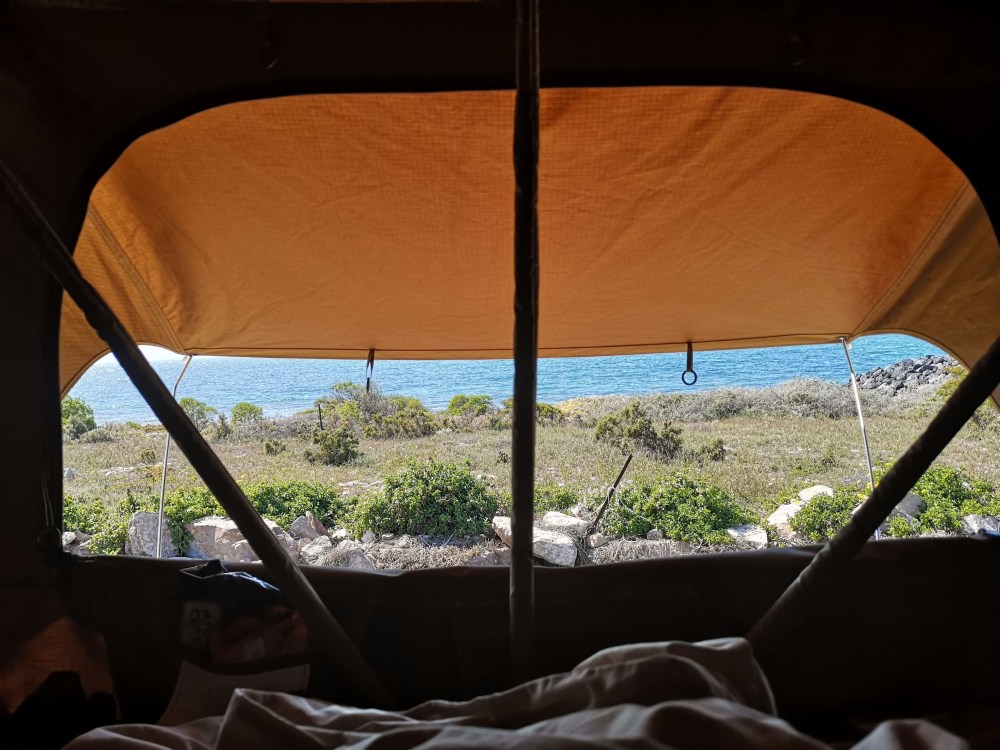
Paul and I rarely plan where we’re going to sleep. Quite often we arrive and take a look around or we search online for campsites around 1-2 hours before we arrive. That is because we never know if we find somewhere else along the way to camp, either because we’re tired or because it looks nice.
Free campsites
We always search for free campsites, because thats the best way to save money! We use the app Campermate, which is free and shows not only free campsites, but also toilets, rest areas and caravan parks. We also look online to see if other travellers have mentioned free campsites on their blogs or on websites.
If you travel along the coastline, it’s quite likely that there are parking areas along the bays or beaches where you can sleep – unless they have signs saying it’s illegal ofcourse. If you travel in the outback, you might come across pubs or motels offering “Buy 1 beer, camp for free”, which almost makes it for free, rest areas, lakes or attractions that offers free camping. If you find yourself in national parks, you don’t always have to book a campsite, you could also camp on sand dunes or off the road where there is quite often bigger areas, where a car and tent could fit in easily.
If you’re travelling outside of season, like we have done most of the time so far, you’ll find that national parks are almost deserted. You’ll maybe see a car or two, so decide for yourself, what I mean by that.
Caravan parks
We try to avoid staying at caravan parks, but often it’s just unavoidable, either because we arrive late and the free campsites are another 1 hour drive away from a town, because there simply is no free camping around or because we REALLY need a shower, a proper toilet or have to much dirty laundry.
It can be nice to sleep in a caravan park if its raining and we want to cook in a proper kitchen or hang out in a tv-room. But if thats not the case I think it sucks sleeping in a caravan park, simply because I think paying $22-28 per night is crazy expensive. It feels like such a rip-off when you arrive at 6 PM and leave at 8 AM and the only facility you make use of is maybe the bathroom a few times. I would definitely prefer spending my money on something else. However, as I said earlier, sometimes you just have to bite the dust and stay at that damn caravan park.
Rest areas
If you really want to avoid those damn caravan parks and you know there is a free campsite another 1 hour away, but it’s just too late, you could look for rest areas and pull over for the night. That could save you those $22-28. We have only slept in a rest area one night while driving the Nullarbor and that was actually quite alright. It felt “safe” because three caravans were camping pretty close and because the rest area was a big area off the road and not just one of those small parking areas. If you feel safe and confident sleeping in rest areas, then go for it! Even though the money sucks, we have quite often decided to stay in caravan parks instead of pulling over to a rest area.
What to see?
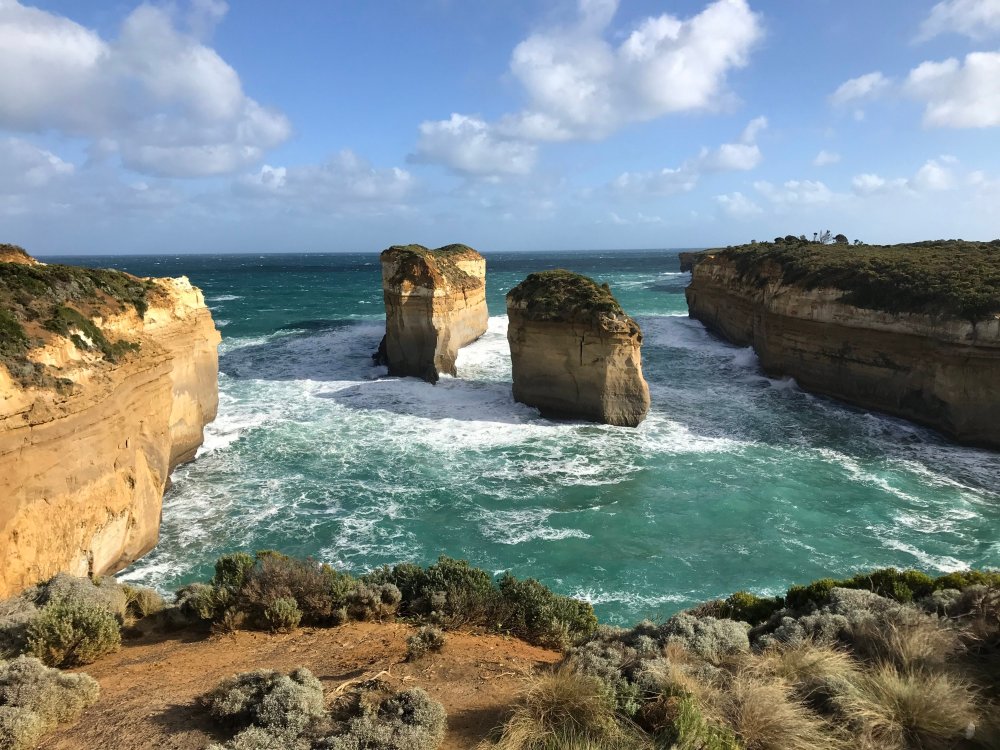
So, how do you know what to you’re going to see, if you don’t plan anything? Without making too much of an effort, you probably already have a rough idea of what you want to see. You might have an idea of the main attractions like Uluru or Lake Eyre or Blue Mountains, depending on where you’re travelling. But then there are all the minor attractions, the secret waterfalls, gorges or incredible national parks. How do you find them?
There are five things you can do: Instagram, Maps, Google, Stop and ask around.
INSTAGRAM: Every time we are going to a city like Adelaide or a state like South Australia, I go on Instagram, put in the location and look at the pictures. You’ll quickly see whats popular like Adelaide Hills, Kangaroo Island, Flinders Ranges etc, if you’re on to South Australia.
MAPS: Open google maps or maps.me, whatever you use, and just zoom in to where you are and the direction you want to go. We have found awesome national parks and lakes this way. You can almost be a 100% sure that you’ll find something interesting wherever you go, just because you’re in Australia.
GOOGLE: Who haven’t google “Best places to see…” or “What to do in…” – YUP, thats my advice. Do it and you’ll find travel blogs, debates and photos and you can get an idea of what to do and see. You can even do it on our blog and you might find some inspiration.
STOP: If you see a sign showing a photo of an attraction or just a sign mentioning something that sounds like an attraction, take the detour and go see for yourself, what it is. Don’t go if the sign just says “Historical School Site”, because you’ll see hundreds of those signs, that leads you to old building, that yes, once was a school. We’ve explored Talia Caves and Murphys Haystacks this way, so don’t be afraid.
ASK AROUND: You’ll probably meet other backpackers or Aussie families on vacation. You can have a good talk to these about where they’ve been and where they’re going. Especially the Aussies know all about where you wanna go and where you can sleep, so don’t let their kids scare you off. Actually even the kids are pretty good at giving tips, because they’ve been dragged on family vacations the last 10 years and know their personal favorites.
What to eat?
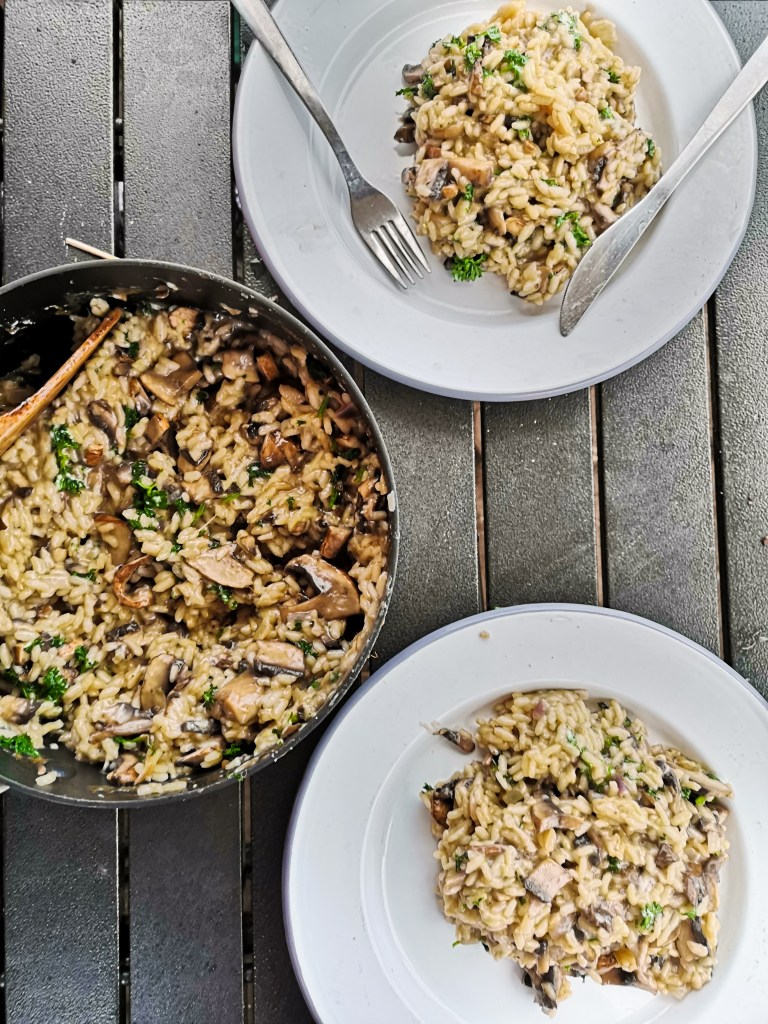
One question I get a lot from friends and family from home, who haven’t been travelling themselves, is “What do you eat?”. I especially get that question, because I am vegetarian. I think many people have this idea, that its complicated to cook a nice meal, when you’re camping, and they probably think, we are just eating pasta pesto or sandwiches all the time. That is not all wrong. Because that is two easy meals, BUT we also appreciate eating something more gourmet, or whatever we should call it. If it was up to Paul, we would be eating pasta with green pesto every single day and every single meal. Ha ha.
We try to cook ourselves as much as possible, because thats how you save money. It is super tempting to buy something at the occasional roadhouse or petrol station, but it gets pretty expensive if you are eating three meals a day. We usually go grocery shopping once a week, when we hit a town where the prices are okay/normal. If you’re travelling in the outback their selection of food is very sparse and very expensive. So you’ll be better off buying lots of dried, canned food, fresh veggies and fruits in a town with more than just 50 inhabitants.
If you need some inspiration to cook, you can check out some of our recipes: Vegetable fried rice, tikka masala, dahl or risotto. Just because you’re travelling and you’re on a budget, it doesn’t mean you have to eat pasta pesto everyday.
 Outbounds Travel